Wondering what to eat in Yogyakarta?
Yogyakarta is one of Indonesia's most exciting food destinations, especially if you want to experience authentic Javanese cuisine. Food here is not simply something to eat between sightseeing stops. It is part of the city's culture, history, traditions, and everyday life.
From the famous sweet and savory Gudeg Yogyakarta to smoky Sate Klathak, traditional Bakmi Jawa, local street food, traditional market snacks, and modern interpretations of Javanese cuisine, Yogyakarta offers something for almost every type of traveler.
For first-time visitors, choosing what to eat can be overwhelming. There are countless warungs, markets, street-food stalls, restaurants, cafés, and family-run food businesses throughout the city.
This guide introduces the best food to eat in Yogyakarta, where to find it, what each dish tastes like, and how to experience Jogja food like a local.
Why Is Yogyakarta Famous for Food?
Yogyakarta's food culture is closely connected to Javanese traditions and the city's history.
The cuisine is generally known for flavors that can be:
- Sweet
- Savory
- Aromatic
- Mildly spicy
- Rich in coconut
- Deeply seasoned
One of the defining characteristics of traditional Yogyakarta food is its preference for a sweeter flavor profile.
However, that does not mean everything in Jogja is sweet.
You will also find:
- Spicy sambal
- Grilled meats
- Fried chicken
- Noodles
- Soups
- Fresh vegetables
- Seafood
- Traditional snacks
- Modern Indonesian cuisine
Food is also strongly connected to local markets, family recipes, village traditions, celebrations, and community life.
That makes eating in Yogyakarta an important part of understanding the destination.
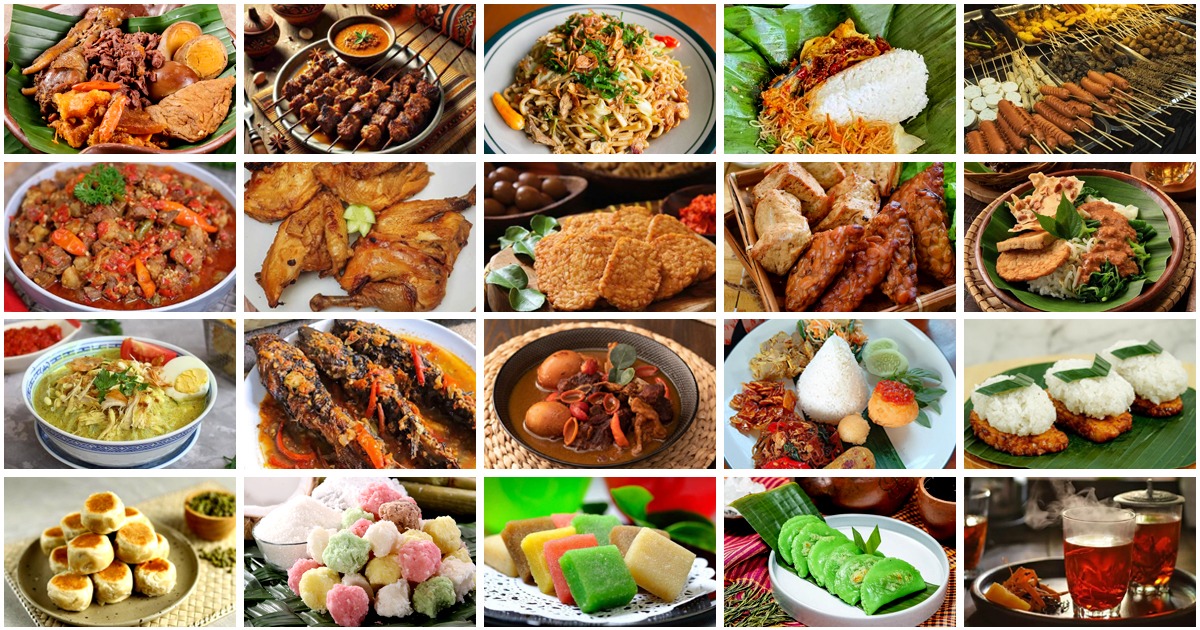
1. Gudeg Yogyakarta
The Dish You Cannot Miss in Jogja
If there is one food you should try in Yogyakarta, it is Gudeg.
Gudeg is a traditional Javanese dish made primarily from young jackfruit cooked slowly with coconut milk, spices, and other ingredients.
It is usually served with:
- Rice
- Chicken
- Egg
- Tofu
- Tempeh
- Coconut-based vegetable preparations
- Sambal
The long cooking process gives the jackfruit a soft texture and deep flavor.
What Does Gudeg Taste Like?
Traditional Yogyakarta-style gudeg is generally associated with a relatively sweet flavor.
If you prefer stronger savory or spicy flavors, ask for additional sambal.
Where to Eat Gudeg
Gudeg can be found throughout Yogyakarta, from simple family-run warungs to restaurants specializing in traditional cuisine.
Popular areas for gudeg include:
- Wijilan
- Barek
- Traditional markets
- Local neighborhoods
- Food streets
Tip for First-Time Visitors
Don't judge gudeg by appearance alone.
The combination of sweet jackfruit, savory chicken, egg, rice, and spicy sambal creates a much more complex flavor than you might expect.
2. Sate Klathak
Yogyakarta's Famous Goat Satay
Another must-try food in Yogyakarta is Sate Klathak.
Unlike many Indonesian satay dishes that are heavily marinated and served with a thick sauce, Sate Klathak is relatively simple.
Pieces of goat meat are grilled over charcoal and traditionally skewered using metal bicycle spokes.
The meat is generally seasoned simply, allowing the flavor of the grilled goat to stand out.
It is often served with:
- Rice
- Goat broth
- Curry-style sauce
- Sambal
Where to Find Sate Klathak
The dish is particularly associated with the Pleret and Jejeran areas of Bantul, south of Yogyakarta.
This makes it a good food stop when exploring the southern part of the city and surrounding areas.
3. Bakmi Jawa
Traditional Javanese Noodles
If you love noodles, you should try Bakmi Jawa.
Bakmi Jawa is a traditional Javanese noodle dish commonly prepared to order in small food stalls.
You may find versions with:
- Chicken
- Egg
- Cabbage
- Spring onions
- Fried shallots
- Chicken broth
- Sweet soy sauce
It can be prepared as:
Bakmi Goreng — fried noodles
or
Bakmi Godhog — noodle soup
There is also a hybrid style known as nyemek, which has less broth than a soup but is wetter than fried noodles.
Why Is Bakmi Jawa Special?
Traditional vendors often cook each portion individually over a charcoal stove.
That gives the noodles a distinctive smoky aroma.
For many locals, eating Bakmi Jawa at night is part of the everyday Yogyakarta experience.
4. Nasi Kucing
Small Portion, Big Local Experience
The name Nasi Kucing literally translates roughly as "cat rice."
Don't worry — there is no cat meat involved.
The name refers to the small portion of rice traditionally wrapped in paper or banana leaves, resembling a portion intended for a cat.
Nasi Kucing is often served with small portions of:
- Rice
- Sambal
- Fried anchovies
- Tempeh
- Chicken
- Tofu
- Other simple side dishes
It is closely associated with angkringan, the casual roadside food stalls that are an important part of Yogyakarta's night culture.
5. Angkringan Food
Eat Like a Local in Yogyakarta
You cannot fully understand Jogja food culture without experiencing an angkringan.
An angkringan is a casual street-side food stall where people gather to eat inexpensive food, drink, chat, and spend time together.
A typical angkringan may serve:
- Nasi kucing
- Satay skewers
- Fried tofu
- Fried tempeh
- Quail eggs
- Chicken
- Intestines
- Fried snacks
- Tea
- Coffee
- Ginger drinks
The atmosphere is part of the experience.
People may sit together on simple benches or mats while talking late into the evening.
Why Visit an Angkringan?
It is not just about the food.
It is an opportunity to experience an everyday social tradition in Yogyakarta.
6. Oseng-Oseng Mercon
A Dish for Spice Lovers
If you love spicy food, look for Oseng-Oseng Mercon.
"Mercon" means firecracker in Indonesian, referring to the intense heat of the dish.
It is usually made with beef parts or other ingredients stir-fried with a generous amount of chilies and spices.
The result is:
spicy + savory + rich + intensely aromatic.
This is not the dish to choose if you are highly sensitive to chili.
But if you love Indonesian spicy food, it is worth trying.
7. Ayam Goreng Kalasan
Crispy Fried Chicken with Javanese Flavor
Ayam Goreng Kalasan comes from the Kalasan area east of Yogyakarta.
The chicken is usually marinated and cooked with spices before being fried.
It is known for its flavorful seasoning and tender texture.
It is often served with:
- Rice
- Sambal
- Vegetables
- Tofu
- Tempeh
Kalasan is also located near several important cultural attractions, making this a convenient food experience to combine with a temple itinerary.
8. Tempe
One of Indonesia's Most Important Foods
Tempe may look simple, but it is one of the most important foods in Indonesian cuisine.
Made from fermented soybeans, tempe is:
- Nutty
- Savory
- Protein-rich
- Versatile
In Yogyakarta, you may find tempe:
- Fried
- Grilled
- Cooked in sweet sauces
- Served with sambal
- Used in traditional dishes
For travelers interested in food culture, learning how tempe is made can be a fascinating local experience.
9. Tahu Bacem and Tempe Bacem
Sweet, Savory Javanese Comfort Food
Bacem is a traditional Javanese cooking technique involving ingredients slowly simmered in a mixture of spices, palm sugar, and other seasonings.
Common versions include:
- Tofu bacem
- Tempe bacem
- Chicken bacem
The result is sweet, savory, aromatic, and deeply seasoned.
Bacem is particularly representative of the flavor profile associated with Central Javanese cuisine.
10. Pecel
A Healthy Local Food Option
If you are looking for something lighter, try pecel.
Pecel consists of boiled or blanched vegetables served with a spicy peanut sauce.
Vegetables may include:
- Bean sprouts
- Water spinach
- Long beans
- Spinach
- Cabbage
- Other seasonal vegetables
It is usually served with rice and sometimes crackers or tofu and tempeh.
Pecel is an excellent choice for travelers looking for vegetables and a lighter meal.
11. Soto
Indonesian Comfort Food
Soto is a popular Indonesian soup found in many regions, with each area having its own variations.
In Yogyakarta and Central Java, you can find local versions featuring:
- Chicken
- Beef
- Clear broth
- Rice
- Herbs
- Fried onions
- Sambal
Soto is especially enjoyable for breakfast or lunch.
Try adding sambal gradually if you are not accustomed to Indonesian chili.
12. Mangut Lele
Smoked Catfish with Spicy Coconut Sauce
For something distinctly Javanese, look for Mangut Lele.
Lele is catfish, and mangut refers to a style of cooking fish in a spiced coconut-based sauce.
The fish may be grilled or smoked before being cooked in a rich sauce containing spices and chilies.
The combination of smoky fish and spicy coconut sauce makes it a memorable traditional dish.
This is an excellent choice for travelers who want to explore food beyond the most famous tourist dishes.
13. Brongkos
A Traditional Yogyakarta Dish
Brongkos is a traditional Javanese stew associated with Yogyakarta.
It typically contains ingredients such as:
- Beef or other protein
- Tofu
- Beans
- Coconut milk
- Kluwek
- Spices
- Chilies
The dark color comes partly from kluwek, an ingredient also used in several other Indonesian dishes.
Brongkos has a rich, complex flavor and is a great option for travelers interested in traditional Yogyakarta cuisine.
14. Sego Langgi
Sego Langgi is a traditional Javanese rice dish served with a variety of side dishes.
The exact combination can vary, but you may find:
- Rice
- Fried or braised meat
- Eggs
- Vegetables
- Sambal
- Tempeh
- Tofu
It is another good example of how traditional Javanese meals combine multiple small flavors into one plate.
15. Jadah Tempe
A Traditional Snack from Kaliurang
Jadah Tempe is a popular snack associated with the Kaliurang area north of Yogyakarta.
Jadah is made from glutinous rice and coconut, while tempe provides a savory contrast.
The combination of sticky, slightly sweet rice with savory tempe makes this simple snack surprisingly addictive.
If you are visiting Mount Merapi or Kaliurang, look for Jadah Tempe as a local snack.
16. Bakpia
Yogyakarta's Most Famous Souvenir Snack
No discussion about what to eat in Yogyakarta would be complete without Bakpia.
Bakpia is a small pastry traditionally filled with mung bean paste, although many modern variations now exist.
Common fillings include:
- Mung bean
- Chocolate
- Cheese
- Taro
- Green tea
- Durian
- Other contemporary flavors
Bakpia is one of the most popular edible souvenirs from Yogyakarta.
Tip
Instead of buying only the most commercial version, consider visiting a local producer to learn about how bakpia is made.
That turns souvenir shopping into a cultural experience.
17. Geplak
Colorful Traditional Yogyakarta Sweet
Geplak is a traditional sweet made primarily from grated coconut and sugar.
It is often brightly colored and has a chewy texture.
Because it is relatively sweet, it pairs nicely with unsweetened tea or coffee.
Geplak is another traditional snack that makes a good souvenir.
18. Yangko
A Traditional Mochi-Like Snack
Yangko is a traditional Yogyakarta snack made from glutinous rice flour.
It has a soft, chewy texture and is often filled or flavored with sweet ingredients.
Modern versions can come in various flavors and colors.
If you enjoy Japanese mochi or other chewy rice-based sweets, Yangko is worth trying.
19. Kipo
A Small Traditional Snack from Kotagede
If you are exploring Kotagede, look for Kipo.
Kipo is a small traditional snack made from glutinous rice flour and filled with sweet coconut.
It is closely associated with Kotagede and makes a great example of how food can be connected to a particular neighborhood and its history.
This is exactly the kind of food travelers can easily miss if they only visit mainstream restaurants.
20. Traditional Javanese Drinks
Food is only part of the experience.
Yogyakarta also has a fascinating drink culture.
Try:
Wedang Ronde
A warm ginger-based drink served with chewy rice-flour balls and other ingredients.
Wedang Uwuh
A fragrant herbal drink traditionally associated with the Imogiri area.
It can contain ingredients such as:
- Ginger
- Cloves
- Cinnamon
- Other aromatic botanicals
Jamu
Traditional Indonesian herbal drinks made from various plants and spices.
Jamu is deeply connected to Indonesian wellness traditions.
For travelers interested in wellness tourism in Yogyakarta, a jamu experience can be particularly interesting.
Best Places to Experience Yogyakarta Food
Knowing what to eat is only half the experience.
Where you eat matters too.
1. Traditional Markets
Markets are among the best places to discover everyday food culture.
You may find:
- Traditional snacks
- Fresh produce
- Javanese breakfast
- Rice dishes
- Fried snacks
- Local drinks
- Seasonal specialties
Try visiting a market early in the morning when it is most active.
2. Angkringan
For an authentic evening experience, visit an angkringan.
It is inexpensive, casual, social, and distinctly Yogyakarta.
Don't expect luxury.
Expect conversation, simple food, tea, coffee, motorcycles passing by, and locals gathering after work.
That is exactly the point.
3. Local Warungs
A warung is a small local food business, often family-run.
These places are excellent for discovering everyday Indonesian food.
Look for busy warungs with a strong local customer base.
4. Food Streets
Several areas around Yogyakarta have concentrations of local food vendors.
These are useful if you want to sample several dishes during one evening.
5. Traditional Neighborhoods
Some of the best food experiences happen away from the main tourist streets.
Areas such as:
- Kotagede
- Purbayan
- Bantul
- Imogiri
- Kaliurang
- Sleman
- Kulon Progo
can offer a more local food experience.
Best Areas for Food in Yogyakarta
| Area | What to Try |
| Malioboro | Street food & traditional snacks |
| Wijilan | Gudeg |
| Kotagede | Kipo, traditional food |
| Prawirotaman | Restaurants & international food |
| Bantul | Sate Klathak |
| Kaliurang | Jadah Tempe |
| Imogiri | Wedang Uwuh |
| Traditional markets | Breakfast & snacks |
| Purbayan | Local food & community experiences |
| Kasongan | Local food + pottery experience |
What to Eat in Yogyakarta for Breakfast
Breakfast is a great opportunity to eat like a local.
Try:
- Gudeg
- Soto
- Nasi pecel
- Bubur
- Traditional rice dishes
- Local snacks
- Jamu
Don't be surprised if some traditional food stalls are busiest early in the morning.
What to Eat in Yogyakarta for Lunch
For lunch, consider:
- Gudeg
- Pecel
- Ayam Goreng Kalasan
- Brongkos
- Mangut Lele
- Soto
- Nasi campur
- Local warung dishes
A traditional lunch can often consist of rice with several small side dishes.
What to Eat in Yogyakarta at Night
Nighttime is when Yogyakarta's food culture becomes particularly social.
Try:
- Bakmi Jawa
- Angkringan
- Nasi kucing
- Sate
- Oseng-oseng mercon
- Fried snacks
- Wedang ronde
- Local coffee
An evening food tour can be one of the best ways to experience Yogyakarta after dark.
Best Yogyakarta Food for Vegetarians
Vegetarian travelers can find many suitable dishes, but it is important to communicate dietary requirements clearly.
Potential options include:
- Pecel
- Gado-gado
- Tofu
- Tempeh
- Vegetable soups
- Rice dishes with vegetables
- Traditional snacks
However, some dishes may contain shrimp paste, fish sauce, meat stock, or other animal ingredients.
When necessary, ask:
"Tidak pakai daging?"
meaning:
"Without meat?"
For strict vegetarians or vegans, explain your requirements clearly before ordering.
Is Yogyakarta Food Spicy?
Not all Yogyakarta food is spicy.
Traditional Javanese cuisine often emphasizes sweet, savory, aromatic, and mildly spiced flavors.
However, sambal is commonly served separately.
If you enjoy spicy food, simply add sambal.
If you don't, you can usually eat the dish without it.
For a particularly spicy experience, try:
Oseng-Oseng Mercon.
Is Yogyakarta Food Halal?
Yogyakarta has many restaurants and food stalls serving halal Indonesian cuisine.
However, travelers with strict dietary requirements should still ask about ingredients and preparation methods.
Look for clear halal information or ask the restaurant directly when necessary.
How Much Does Food Cost in Yogyakarta?
One of the attractions of Yogyakarta's food culture is the wide range of price points.
You can eat very affordably at:
- Angkringan
- Traditional markets
- Local warungs
- Street food stalls
You can also find:
- Mid-range restaurants
- International restaurants
- Specialty cafés
- Fine-dining experiences
This makes Yogyakarta suitable for both backpackers and travelers looking for premium culinary experiences.
A 1-Day Yogyakarta Food Itinerary
If you want to experience as much local food as possible in one day, try this:
Breakfast
Gudeg
Start the day with a traditional Yogyakarta breakfast.
Mid-Morning Snack
Bakpia or Kipo
Try a traditional snack with tea or coffee.
Lunch
Pecel or Ayam Goreng Kalasan
Choose a traditional Javanese lunch.
Afternoon
Jamu or Wedang Uwuh
Take a break with a traditional drink.
Evening
Sate Klathak
Enjoy grilled goat satay for dinner.
Late Night
Angkringan + Nasi Kucing
Finish your food journey with a casual local experience.
A 3-Day Yogyakarta Food Journey
If you are staying for three days, you can go deeper.
Day 1 — Classic Yogyakarta Food
- Gudeg
- Bakpia
- Traditional market
- Local coffee
- Angkringan
Day 2 — Food & Heritage
- Traditional breakfast
- Kotagede
- Kipo
- Silver workshop
- Local lunch
- Bakmi Jawa
Day 3 — Food Beyond the City
- Village breakfast
- Local farm experience
- Traditional lunch
- Sate Klathak
- Wedang Uwuh
This approach allows you to experience food as part of the landscape and culture rather than simply visiting restaurants.
Yogyakarta Food Experiences for Travelers
For visitors who want something more meaningful than restaurant recommendations, consider booking a culinary experience.
You could:
Join a Traditional Cooking Class
Learn how to prepare:
- Gudeg
- Tempe
- Sambal
- Javanese vegetables
- Traditional snacks
Visit a Traditional Market
Learn how locals shop for ingredients.
Visit a Food Producer
Discover how traditional foods are made.
Eat with a Local Family
Experience Javanese hospitality and home cooking.
Explore Food by Becak or Walking
Combine food with heritage neighborhoods.
These experiences can create a much deeper understanding of Yogyakarta.
How to Eat Like a Local in Yogyakarta
Want to experience Jogja food beyond the tourist checklist?
Follow these simple rules.
Eat Where Locals Eat
A busy small warung can sometimes tell you more about local food culture than a large tourist restaurant.
Try Small Portions
Don't order a huge meal immediately.
Sample several dishes instead.
Eat Slowly
Javanese food culture is often about sitting, talking, and sharing.
Visit Markets
Markets reveal the everyday food culture of the city.
Try Street Food
Some of the most memorable meals can be surprisingly simple.
Ask Questions
If you see something unfamiliar, ask the vendor what it is.
Locals are often happy to explain.
Yogyakarta Food Etiquette
When eating in traditional environments, remember a few basic etiquette rules.
- Wash your hands before eating when appropriate.
- Ask before photographing people or food preparation.
- Be respectful in family-run businesses.
- Do not assume every food stall accepts cards.
- Carry some cash.
- Avoid wasting food.
- Follow local customs when eating in someone's home.
- If eating communally, wait for everyone before starting when appropriate.
The goal is simple:
Be curious, respectful, and open-minded.
Frequently Asked Questions About Food in Yogyakarta
What food is Yogyakarta famous for?
Yogyakarta is particularly famous for Gudeg, but other notable foods include Sate Klathak, Bakmi Jawa, Nasi Kucing, Oseng-Oseng Mercon, Ayam Goreng Kalasan, Bakpia, Kipo, and various traditional Javanese snacks.
What should I eat in Yogyakarta for the first time?
Start with Gudeg, Bakmi Jawa, Sate Klathak, and an evening angkringan experience. Add Bakpia as a traditional snack or souvenir.
Is Gudeg sweet?
Yes. Yogyakarta-style Gudeg is generally known for its sweet flavor profile, although the complete dish is balanced with savory ingredients and spicy sambal.
What is the best street food in Yogyakarta?
There is no single answer, but angkringan food, Nasi Kucing, satay, fried snacks, Bakmi Jawa, and spicy local dishes are popular choices for experiencing everyday food culture.
What is the famous snack from Yogyakarta?
Bakpia is one of the city's most famous edible souvenirs. Kipo, Yangko, and Geplak are also traditional Yogyakarta snacks worth trying.
Where can I eat Gudeg in Yogyakarta?
Gudeg is available throughout the city, with Wijilan being particularly associated with Gudeg restaurants and stalls.
Is Yogyakarta good for food lovers?
Absolutely. The city offers traditional Javanese cuisine, street food, markets, cafés, modern restaurants, local food producers, and culinary experiences.
Is Yogyakarta food suitable for international travelers?
Yes. There is a wide range of food, from traditional Javanese dishes to international cuisine. Travelers who are not accustomed to sweet or spicy flavors can also adjust their choices.
What food should I try in Yogyakarta at night?
Try Bakmi Jawa, an angkringan, Nasi Kucing, Sate, or other local street food.
Can I take a Yogyakarta food tour?
Yes. A food-focused itinerary can combine traditional markets, local warungs, street food, heritage neighborhoods, traditional producers, and hands-on culinary experiences.
Final Thoughts: The Best Way to Discover Yogyakarta Is Through Food
When people think about Yogyakarta, they often think about temples, the Sultan's Palace, Malioboro, batik, and beautiful landscapes.
But there is another way to understand the city:
through its food.
Eat Gudeg in the morning.
Try Kipo in Kotagede.
Have lunch at a local warung.
Drink Wedang Uwuh in the hills.
Eat Sate Klathak in Bantul.
Sit at an angkringan at night.
Talk to the people preparing your food.
These experiences reveal something that a sightseeing itinerary cannot.
They show you how people live.
And that is what makes Yogyakarta food so interesting.
It is not just about what is on your plate.
It is about the stories, traditions, communities, and people behind it.
Discover Yogyakarta Through Food with Azra Go
At Azra Go, we believe food is one of the best ways to understand a destination.
Our Yogyakarta cultural experiences can combine culinary exploration with:
- Traditional markets
- Local warungs
- Heritage neighborhoods
- Cooking classes
- Artisan visits
- Village experiences
- Javanese traditions
- Local families
- Traditional food producers
Whether you are a first-time visitor, family, couple, Gen Z traveler, international student, school group, university, corporate group, or overseas travel agency, we can create a customized culinary and cultural experience around your interests.
Don't just visit Yogyakarta.
Taste it. Meet its people. Discover its stories.
Azra Go — Travel with Purpose.
Plan your Yogyakarta food experience:
WhatsApp: +62 851 2155 6958
Email: hello@azrago.com
Website: azrago.com